IVECF 2026 Deep Dive: Scaling Gender-Just Clean Cooking Solutions
As part of IVECF 2026 (International Vienna Energy and Climate Forum), the Clean Cooking Deep Dive, “Scaling Gender-Just Access to Clean Cooking Solutions,” reinforced a critical point: gender equality is not optional in clean cooking; it is essential to scaling access.
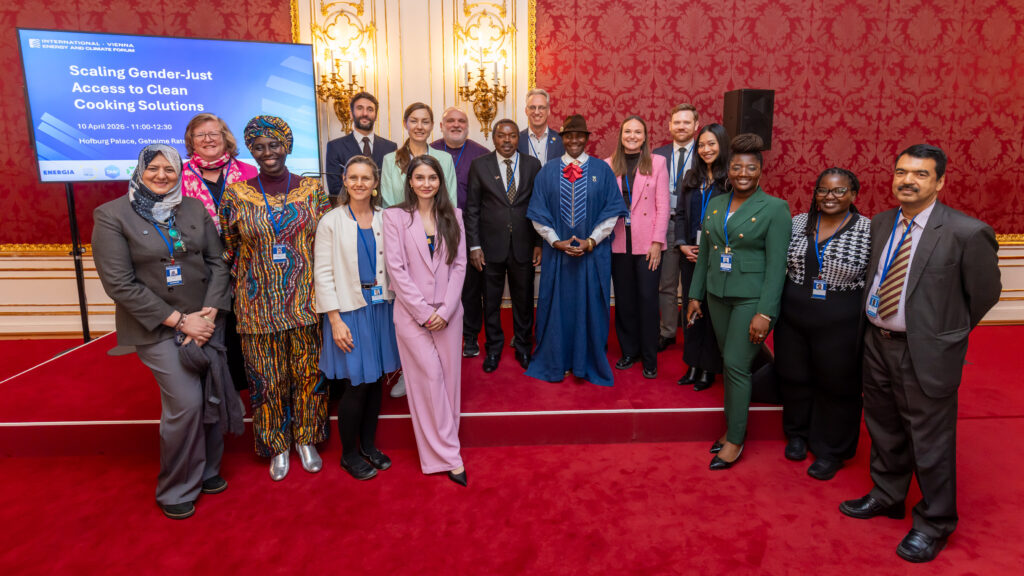
Held on 10 April 2026 in Vienna, the session, co-organized by the UNIDO/CECC, Gender & Energy Compact, EnDev/GIZ, SNV, the OPEC Fund, the Clean Cooking Alliance, and GN-SEC, brought together policymakers, practitioners, financiers, youth representatives, and community actors to examine what it will actually take to move from commitments to implementation. With around 2.1 billion people still lacking access to clean cooking, the discussion kept returning to a simple reality: the burden continues to fall disproportionately on women and girls through time poverty, health risks, and exposure to insecurity, particularly in fragile and displacement settings.
A key theme throughout the session was the need to shift how clean cooking is framed. Rather than being treated solely as a technical or energy access issue, it was discussed as one that intersects with safety, rights, economic opportunity, and local development. This also requires rethinking who is positioned within the system and how different actors contribute to its success.
HRH Princess Abze Djigma, Chair of The Mutirão and Burkindi Coalition Capacity Building Initiative, captured this shift clearly: “We are not only consumers, we are also solution providers.” Her remarks reflected a broader consensus across the session: Women are already shaping clean cooking systems as entrepreneurs, technicians, distributors, and community leaders, and scaling access depends on recognizing and supporting that role.
At the same time, speakers were clear about the structural barriers that persist. Speaking from a youth perspective, Betty Osei Bonsu Adjei, Director of Operations and Programs at the Green Africa Youth Organization and member of Youth Advisory Group to Energy and Climate Action, UNIDO, highlighted how “inequality keeps reproducing inequality,” pointing to the ways limited access to finance, skills, and decision-making spaces continues to constrain participation across the value chain.
The discussion also emphasized the broader impact of investing in women, highlighting how empowerment translates into expanded opportunities across households, communities, and markets.
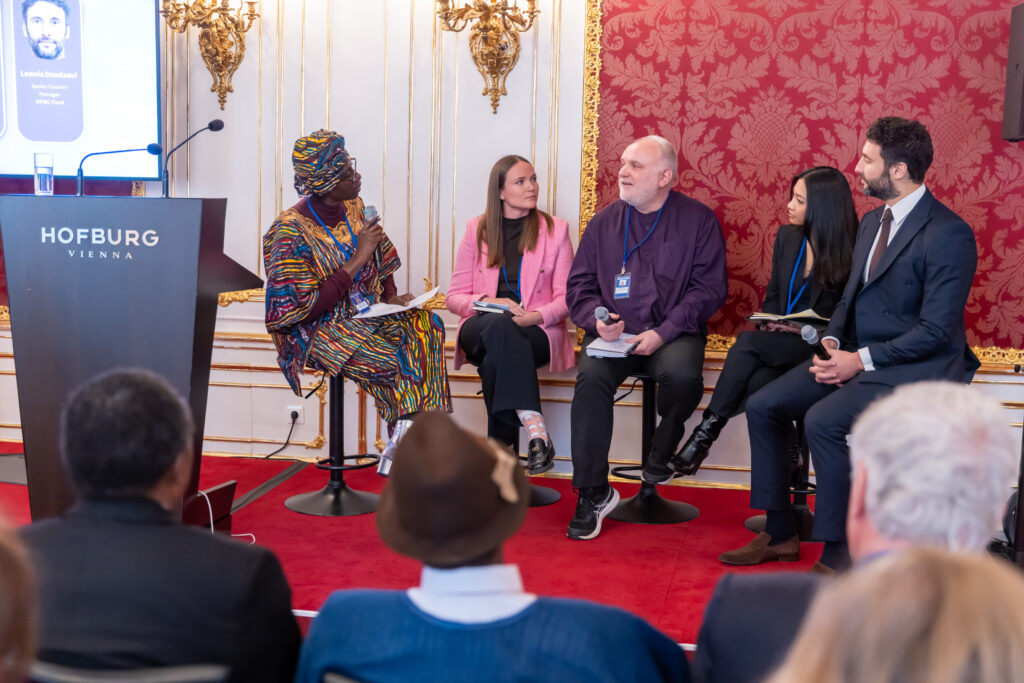
enterprises, improving access to inclusive financing, and embedding gender equality considerations into policy frameworks and market systems. Participants also highlighted the importance of designing value chains from manufacturing to distribution to maintenance in ways that enable meaningful and sustained participation.
What emerged overall was a strong sense of alignment. Scaling clean cooking is not just about accelerating deployment; it requires getting the system right, with partnerships that ensure women’s leadership and participation are central across policy, finance, and implementation.