UNIDO highlights green cooking solutions and pathways to scale investment at COP31
Antalya, Türkiye, 11 November 2026 – The United Nations Industrial Development Organization (UNIDO) highlighted the role of green cooking technologies in advancing climate action, sustainable industrial development and universal access to clean energy during a high-level session at the 31st United Nations Climate Change Conference (COP31).
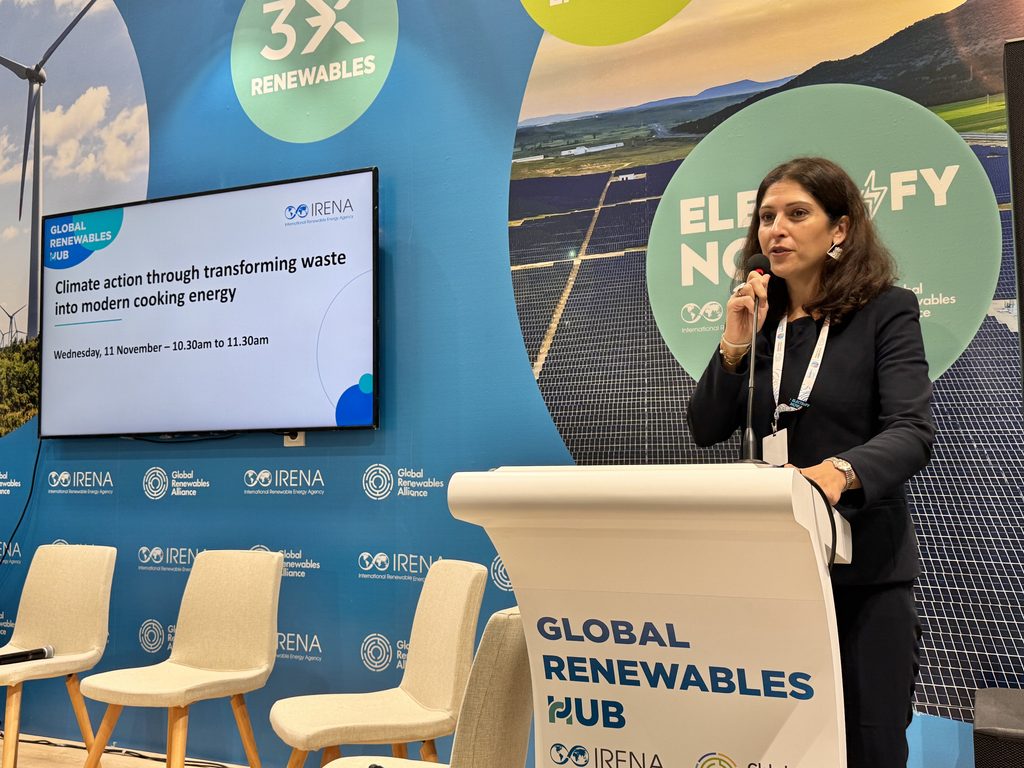
Held at the Global Renewables Hub, the session, “Climate action through transforming waste into modern cooking energy,” brought together representatives from international organizations, development finance institutions and the clean cooking sector to explore practical solutions for scaling waste-derived bioenergy and mobilizing investment in sustainable cooking technologies.
Organized in collaboration with the International Renewable Energy Agency (IRENA), the World Bioenergy Association (WBA) and partners, the discussion focused on the potential of converting agricultural residues and organic waste into modern cooking fuels, including biogas, ethanol and advanced solid biomass.
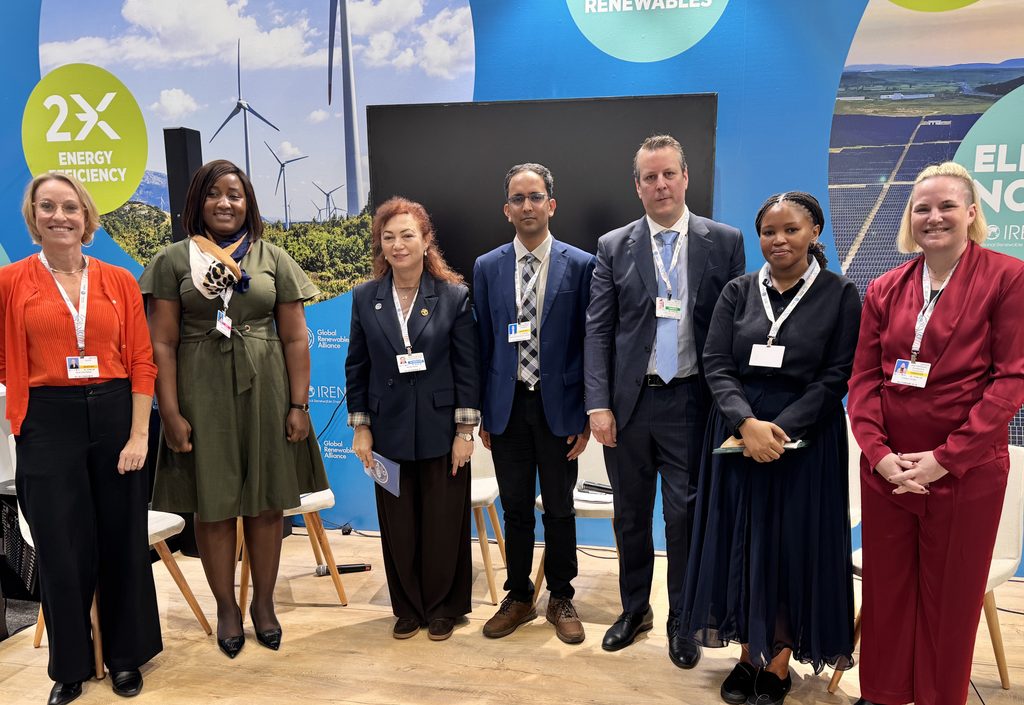
The session included opening remarks by Rana Ghoneim, Director of UNIDO’s Division of Energy and Climate Action, followed by a panel discussion featuring Ntsebo Sephelane, Associate Industrial Development Officer at UNIDO, alongside representatives from international organizations, financial institutions and the clean cooking sector.
Advancing green cooking through sustainable industrial development
The session provided an opportunity to highlight UNIDO’s approach to green cooking as a pathway that connects renewable energy access with local industrial development, resource efficiency and climate change mitigation.
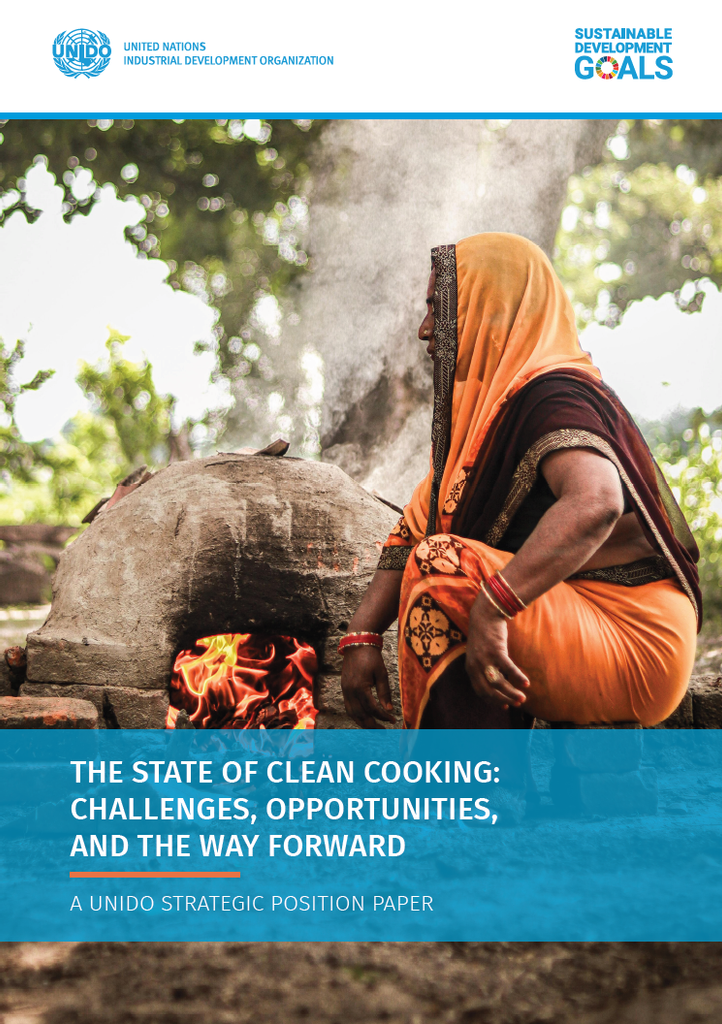
A central focus of UNIDO’s contribution was the publication Green Cooking: Sustainable Pathway to Achieve SDG 7, developed by UNIDO in collaboration with the World Bioenergy Association and the Council on Ethanol Clean Cooking (CECC).
The publication explores the opportunities for scaling three renewable cooking solutions: biogas, ethanol and sustainably produced modern solid biomass fuels, particularly in sub-Saharan Africa. It examines available technologies, emerging business models, market development and the policy and financial conditions required to accelerate adoption.
The report demonstrates how green cooking can extend beyond household energy access to create economic opportunities along local value chains. Biogas technologies can transform organic waste into cooking fuel and organic fertilizer, while ethanol production can strengthen links between agriculture, agro-processing and renewable energy markets. Modern biomass pellets, combined with efficient cooking technologies, can support local manufacturing and more sustainable use of biomass resources.
Together, these solutions offer opportunities to reduce dependence on imported fossil fuels, strengthen energy security, promote entrepreneurship and create employment, while contributing to climate mitigation and progress towards Sustainable Development Goal 7 (SDG 7).
From innovative technologies to sustainable markets
Despite their potential, green cooking technologies continue to face significant barriers to large-scale deployment. The UNIDO publication identifies limited investment, fragmented supply chains, high upfront equipment costs, insufficient technical capacity and the lack of coordinated policy frameworks among the main challenges.
Addressing these barriers requires an integrated approach that combines technology deployment with market development, innovative financing, institutional capacity-building and supportive regulatory environments.
The COP31 discussion explored how climate finance, including carbon finance, can strengthen the commercial viability of clean cooking projects, improve affordability and attract additional public and private investment.
The session also highlighted the importance of cross-sector collaboration, particularly among the energy, agriculture, waste management and climate sectors, to unlock the broader environmental and economic benefits of waste-derived bioenergy.
Strengthening partnerships to accelerate climate action
UNIDO’s participation reinforced the importance of positioning green cooking within broader sustainable development and industrial transformation agendas.
By promoting locally available renewable energy resources, supporting sustainable business models and strengthening local production capacities, green cooking can contribute to more resilient economies and inclusive industrial development.
The session also featured IRENA’s publication, Scaling Domestic Biogas to Meet Cooking Energy Demand and Climate Ambitions, complementing UNIDO’s work by examining opportunities to expand domestic biogas deployment.
Through its collaboration with IRENA, the World Bioenergy Association and other partners, UNIDO continues to advance integrated solutions that link clean energy access, sustainable industrialization and climate action.